Small Discoveries Have the Power to Inspire & Transform, Here’s How

Small Discoveries Have the Power to Inspire & Transform, Here’s How

Big breakthroughs get the headlines, but small discoveries often do the real work. They change how people think, act, and create. A tiny insight can open a door that no one noticed before. That moment of “wait, that’s strange” can lead somewhere important.

The power of discovery does not depend on size or funding. It comes from curiosity and attention. A small finding can spark joy, challenge assumptions, and push someone to ask better questions. That spark matters more than scale.

Small discoveries feel close to everyday life. You do not need a lab full of machines to notice something new. All you need is curiosity, patience, and a bit of focus. That makes the idea of discovery feel open to anyone, not just experts.

This sense of access builds confidence. When people see that simple observations can lead to real insights, they start to look closer at the world. A student watching insects or a hobbyist timing reactions can uncover something useful. It makes science feel human and within reach.

A great example comes from a simple mistake. Researchers once found that queen bumblebees survived underwater for days. The tubes holding them were filled with water by accident, yet the bees stayed alive. That small observation raised big questions about how bees handle extreme weather.

Accidents and Curiosity Drive Real Breakthroughs
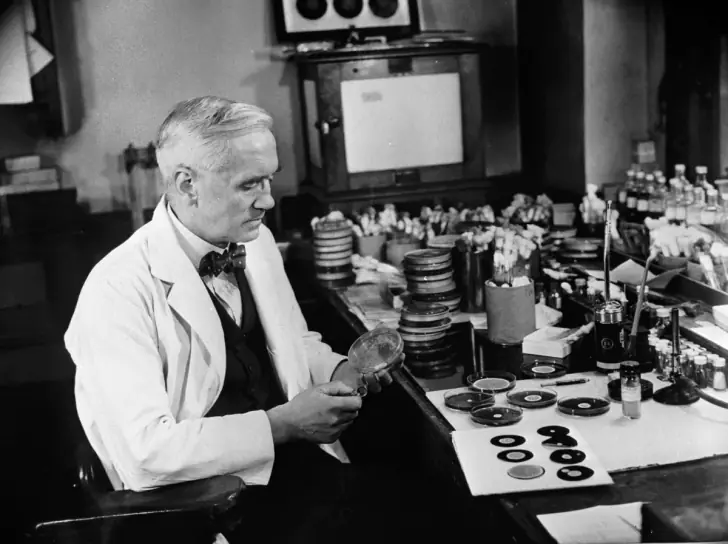
Scientific American / Some of the most important discoveries began as accidents. What matters is not the mistake, but the reaction to it.

Alexander Fleming noticed that mold killed bacteria in a petri dish. He could have ignored it as a failed experiment. Instead, he looked closer and discovered penicillin. That moment changed medicine forever and saved millions of lives.

Other examples follow the same pattern. A melted chocolate bar led to the microwave oven. Sticky burrs on a dog’s fur inspired Velcro.

Nonetheless, not every discovery starts with a clear goal. Some begin with simple wonder. People explore questions just because they feel interesting or strange. That kind of curiosity builds a strong foundation for innovation.

A scientist once asked how tiny ocean organisms move in dark waters. The question seemed small and abstract. Yet it led to insights about how life survives in extreme conditions. It also inspired tools that made science more accessible.

One result of this thinking was the Foldscope, a paper microscope that costs less than a dollar. It allows students around the world to explore biology with their own eyes. A simple question led to a tool that opened science to millions.

New Perspectives Change How We See the World
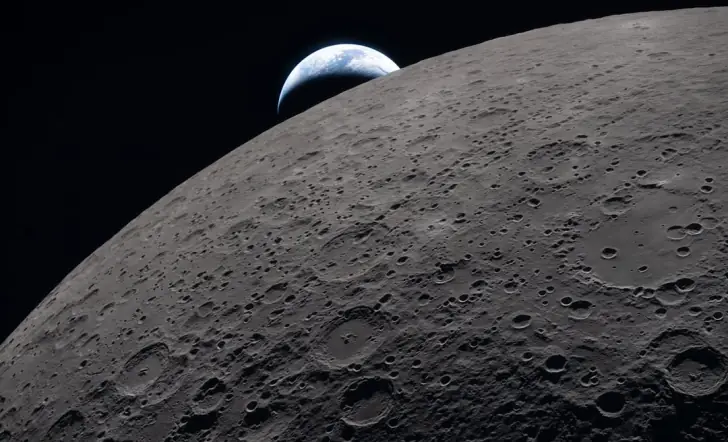
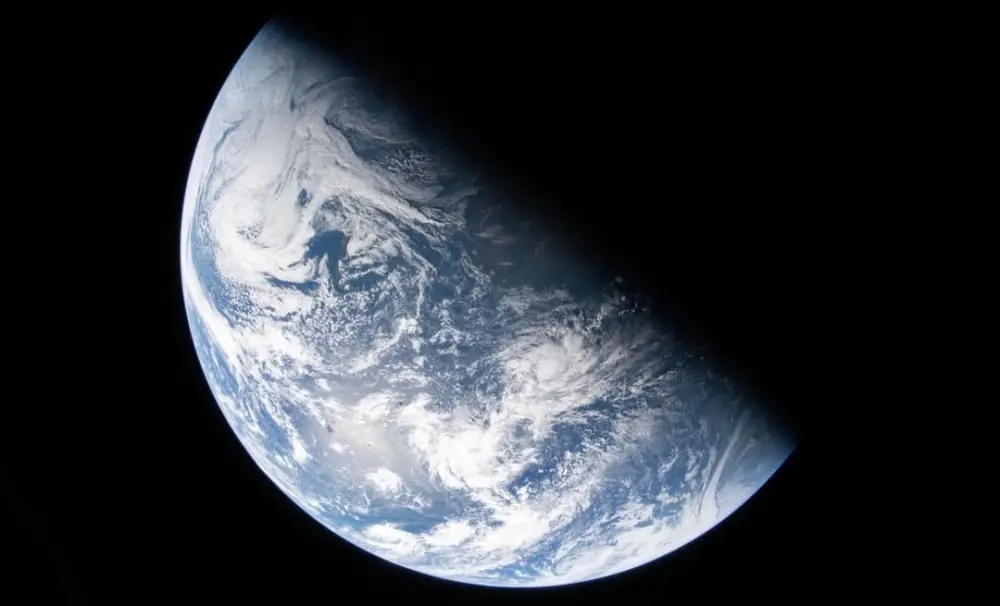
NASA / IG / Some discoveries inspire because they shift perspective. They show something familiar in a new way. That change can be small, but it sticks with people and shapes how they think.

The famous ‘Earthrise’ photo did exactly that. It showed Earth as a small, fragile sphere in space. People saw their home from a distance for the first time. That image helped spark environmental awareness around the world.

Even smaller studies can have a similar effect. Researchers trained bees to tell the difference between odd and even numbers. It sounds unusual, but it changes how we think about animal intelligence. It suggests that complex thinking is not limited to humans.

Large problems can feel overwhelming. Climate change, health issues, and social challenges often seem too big to solve. Small discoveries offer a way forward by breaking that feeling of helplessness.

When people learn about small solutions, they feel more hopeful. For example, moss can absorb pollution and help prevent flooding. Hedgehogs can hear ultrasound, which could lead to safer roads for them. These are not huge fixes, but they are real and useful.
You May Also Like

New Fire Amoeba Thrives in Boiling Hot Springs and Pushes Eukaryotic Life to Unprecedented Hottest Limit Discoveries

New Fire Amoeba Thrives in Boiling Hot Springs and Pushes Eukaryotic Life to Unprecedented Hottest Limit

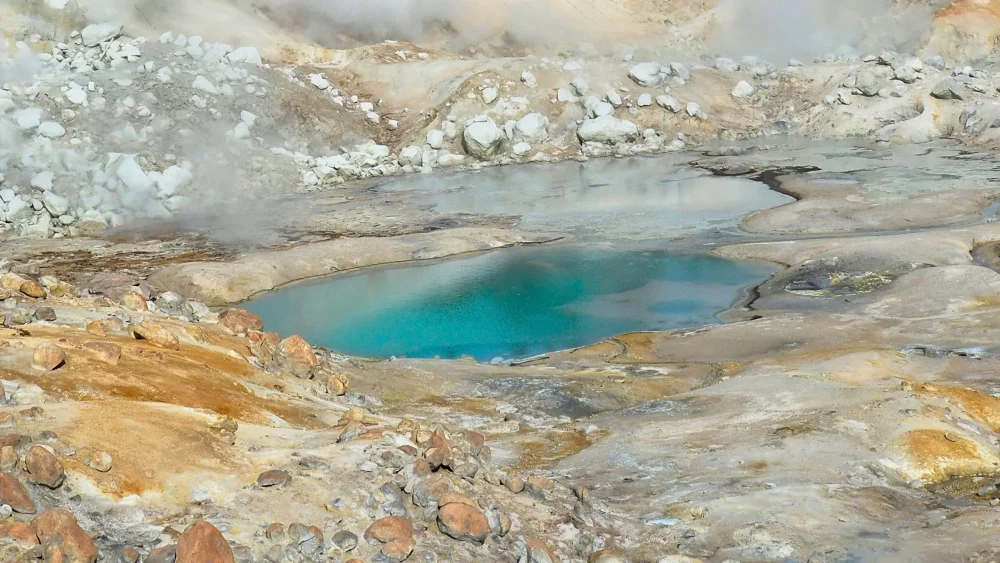
Scientists have found a tiny organism living where most complex cells would quickly fall apart. A newly identified amoeba from California can actively grow and reproduce at temperatures reaching 63 degrees Celsius, or 145.4 degrees Fahrenheit. Researchers named the species ‘Incendiamoeba cascadensis,’ which translates roughly to “fire amoeba from the Cascades.” The discovery pushes the […]

Ami Ciccone October 7, 2026
Read More →
Groundbreaking Discovery Reveals How Protein Sequence Information is Translated Directly into a DNA Sequence Discoveries

Groundbreaking Discovery Reveals How Protein Sequence Information is Translated Directly into a DNA Sequence

For decades, biology students have learned a familiar path for genetic information. DNA provides instructions for RNA, and RNA helps cells build proteins from specific sequences of amino acids. A new discovery reported in Science in April 2026 adds a surprising new wrinkle to that picture. Researchers studying a bacterial defense system found a process […]

Ami Ciccone September 8, 2026
Read More →
Ancient Humans Were Master Toolmakers? New Study Unearths 500,000-YO Elephant Bone Hammer Discoveries

Ancient Humans Were Master Toolmakers? New Study Unearths 500,000-YO Elephant Bone Hammer

Ancient humans continue to surprise scientists with their remarkable skills. A newly analyzed elephant bone tool from southern England has revealed that early humans were far more inventive than many people once believed. The discovery pushes back the timeline for the development of advanced bone-tool technology in Europe by hundreds of thousands of years. The […]

Ami Ciccone August 11, 2026
Read More →
These Discoveries Changed How Historians View America’s Founding Fathers Discoveries

These Discoveries Changed How Historians View America’s Founding Fathers

America’s Founding Fathers remain some of the most studied figures in history. Their letters, speeches, and official records have filled libraries for more than two centuries. Even so, historians continue to uncover surprising discoveries that add fresh details to their lives and the nation they helped create. Modern science and archaeology have opened doors that […]

Ami Ciccone July 15, 2026
Read More →
Florida Lightning Season Begins with Tragic Kayaking Death Discoveries

Florida Lightning Season Begins with Tragic Kayaking Death

Florida’s 2026 lightning season has opened with a heartbreaking tragedy that highlights the dangers of the state’s volatile summer weather. An 18-year-old kayaker lost his life after being struck by lightning while paddling on the Blackwater River in the Florida Panhandle. The incident serves as a stark reminder that lightning can turn a routine outdoor […]

Ami Ciccone June 16, 2026
Read More →
The Kohinoor Diamond Likely Formed in Iron-Rich Zones Deep Beneath the Earth’s Crust, New Study Says Discoveries

The Kohinoor Diamond Likely Formed in Iron-Rich Zones Deep Beneath the Earth’s Crust, New Study Says

The Kohinoor diamond has sparked wars, royal drama, and endless debate for centuries. Now, scientists believe the famous gem carries clues from a hidden world far below Earth’s surface. A new study suggests the Kohinoor may have formed inside iron-rich regions buried deep beneath the planet’s crust. That finding changes more than just the story […]

Ami Ciccone May 21, 2026
Read More →